‘We’re trying to build a resilient, sustainable food system’: The Food Basket makes progress on new Hilo campus
The seeds of a new, innovative Hawaii Island food bank facility are being planted in Hilo.
The Food Basket is preparing to break ground on an $86 million Agricultural Innovation Park and Food Systems Campus — called Hoolako — on a 24.5-acre plot of old sugarcane land off of Ponahawai Street. It will have spaces for agricultural production and storage, value-added product manufacturing, educational classrooms, offices, a food bank and a commercial kitchen for large-scale food preparation.
ADVERTISING
Together, these facilities will work toward relieving food insecurity, give beginner farmers access to growing land, and respond to an escalating need for nutrition assistance on the island. According to the organization, more than 40% of Hawaii County households are food insecure, and it’s seen a 25% increase in the use of its programs since 2022.
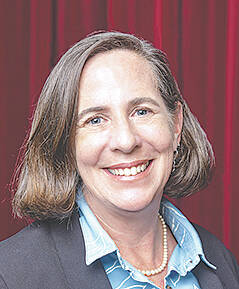
“This is all based on the fact that our food insecurity numbers are getting worse and worse,” Food Basket Executive Director Kristin Frost Albrecht said about Hoolako. “This is an answer to that. This is food meant to be grown, processed and stay on this island to feed the people who live here.”
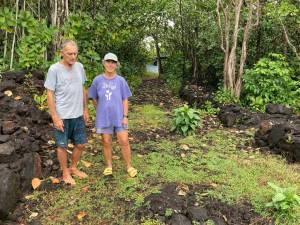
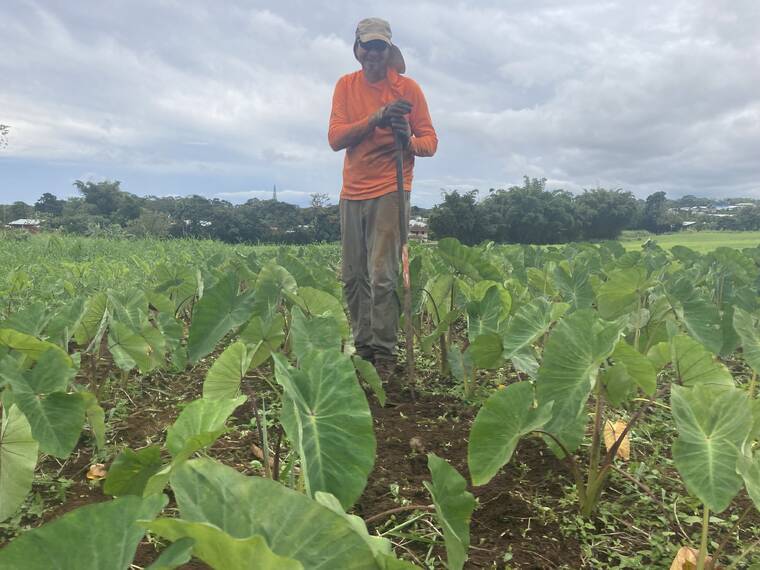
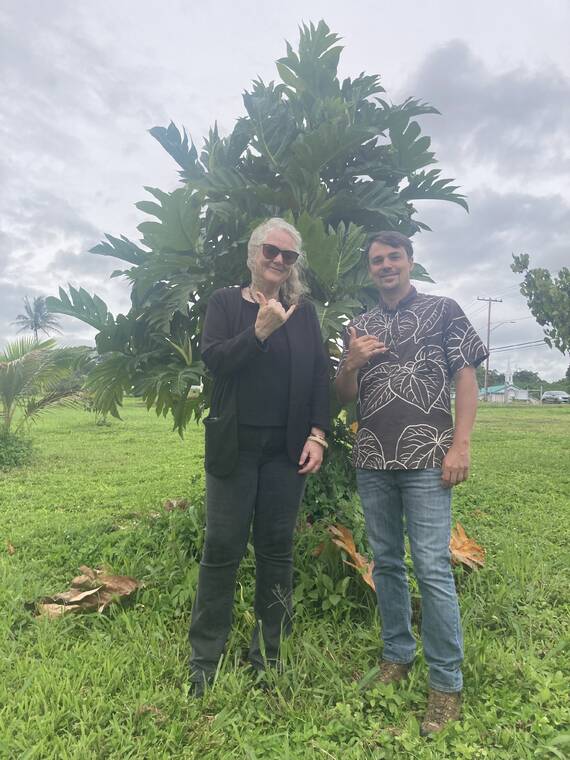
At present, the property is rolling hills of green grass with a small planting of fruit trees and a kalo patch, but otherwise devoid of any infrastructure except for a shipping container, a refrigerated box truck and some portable toilets. It was purchased from Suisan in 2022 for $1.6 million, and has since been cleared, grubbed and rezoned, with an environmental assessment completed.
The first structure to be built will be a 7,000-square-foot, open-air farmers’ market pavilion intended to host bi-weekly “grower-seller” markets on Wednesdays and Sundays where vendors are vetted to ensure they’ve grown what they’re selling. The $2 million price tag for the steel pavilion will be paid for with earmarked federal funds secured by U.S. Sen. Brian Schatz, D-Hawaii, announced in February. Tentatively, the inaugural market will take place on Sunday, May 3, from 10 a.m. to 3 p.m.
Hoolako Project Director Justin Clayton said the rationale for requiring market vendors to be grower-sellers is to put farmers’ needs first, and to give customers a chance to meet the people growing their food.
“In the end, we’re trying to build a resilient, sustainable food system,” Clayton said. “So, it’s really important people understand and take pride in knowing where the food they’re eating is coming from. Making that connection with the farmer, for us, that’s critical — having the community engage with the farmer.”
For now, posters hang along the chain-link fence of the property facing the street advertising the market and soliciting applications from vendors.
The Food Basket has raised roughly $7.5 million for Hoolako — not including funds for the pavilion — with several more million in pledged contributions, and will soon begin a highly publicized capital campaign to raise the remaining money.
Clayton said the project has been championed by everyone from County Council members to U.S. senators, planning department officials to school administrators.
“It’s just helpful when you’re trying to execute a project this complex, this large,” he said. “Having that support in the beginning is going to be immense for us to get it across the finish line.”
He said Hoolako’s original management plan has been reworked due to strong grassroots interest.
“We actually decided to flip it and in the beginning focus on the things that were community driven, more visible, things that took less financial investment to get up and running,” he said. “So, it’s been great to see the community seeing us out here. They want to be involved. I probably have half a dozen community partners that want to establish community gardens. All of that was in just maybe the last few months.”
Frost Albrecht said assistance for the project has come in many forms, including monetary donations both large and small, planting materials donated by local farmers, volunteer labor — even the land itself, which she described as having been “partially gifted.”
“We’ve been really fortunate that we have community support for this, and the community is opening their pocketbooks,” she said. “Sometimes, it’s just a quarter or a dollar at a time, and I have to tell you those are the ones that really mean so much.”
Other structures on the campus to be built in coming years include a $31 million Community Food Center and Food Bank, a $42.5 million Agricultural Innovation Center, and a $4 million Agriculture Support Building. There will also be a demonstration farm and a community learning center offering hands-on lessons in food science, culture and sustainability in partnership with the University of Hawaii, state Department of Education and Native Hawaiian organizations.
Including the learning center in the building plans was essential, she said, because all the agricultural production and processing capacity is worth little if no one is learning.
“It’s meant to be an educational and hands-on learning facility,” she said. “There’s no point in doing this unless people are learning along with you — that’s what’s really going to make the change happen.”
The buildings are designed to support each other. For example, kalo grown on-site at the demonstration farm and sourced from local growers could be processed into value-added products at the Agricultural Innovation Center, which could end up in emergency food boxes distributed at the food bank building. Meanwhile, students at the learning center will learn about kalo and get a chance to plant it, completing the cycle.
This symbiosis was inspired by products like the “poi pop,” a kalo-based frozen squeeze pouch of the traditional Hawaiian staple. The Food Basket included the pops in their emergency food bags in the past, prompting some recipients of food assistance to become customers of the Honokaa company making the snacks.
“I think it’s really special. Imagine that, right?” she said about the poi pop story. “So, that’s part of this, too. Kids need to learn where their food comes from, and they need to be familiar enough with it in order to actually want to eat it.”
Email Stefan Verbano at stefan.verbano@hawaiitribune-herald.com