
Stocks approach record high as Wall Street looks beyond war
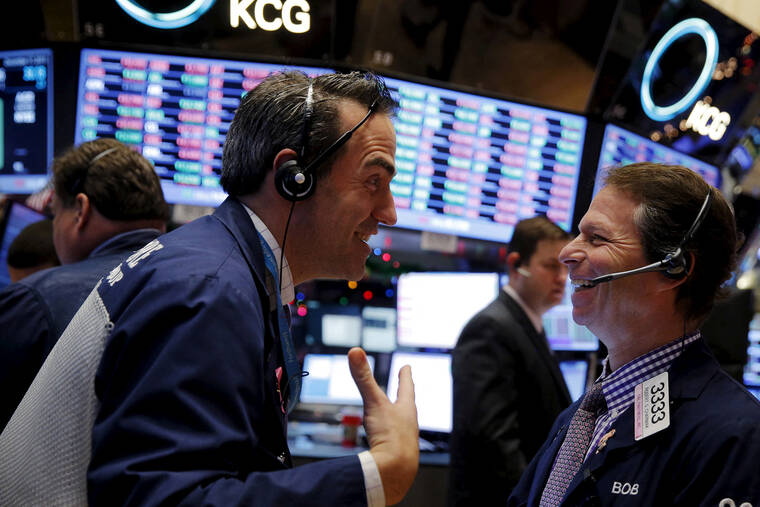
The S&P 500 hit a fresh record high Wednesday, reflecting investors’ optimism that a peace deal would be reached before the war in Iran could inflict significant damage on corporate America.
The benchmark stock index, which is widely watched across the world as a barometer of the health of the U.S. market, rose about 0.8% to close above 7,000 and higher than its previous peak, reached in January. The index had already erased its losses during the war in Iran and now sits 2% higher than it was before the fighting began in late February.
ADVERTISING
Even as a spike in oil prices has led to a gloomier economic outlook, investors have been embracing signals in recent days that the United States and Iran could restart talks that ended last weekend in Pakistan without a deal but with comments from President Donald Trump that he believed the war was nearing an end.
The mere posture toward peace has helped to placate the stock market. Since the ceasefire took hold last week, investors have noted a shift in tone by the Trump administration that reflects a desire to end the conflict soon.
“The market is trading assuming we have seen the worst of the conflict,” said Stefano Pascale, an equity analyst at Barclays.
The S&P 500 is now on course for its third straight week of gains, the kind of winning streak not seen since October. The index has risen about 10% since March 30 — the nadir of the recent sell-off.
Still, some market watchers have been perplexed by the recent rally, which has taken place as the Strait of Hormuz, the narrow waterway on Iran’s southern coast that serves as a crucial shipping lane for the world’s oil supply, has remained throttled. Even if a formal peace deal is achieved between the United States and Iran, it could take a long time to get ships moving again and repair damage to ports and other oil facilities. High oil and gas prices have been feeding into rising U.S. inflation and tumbling consumer confidence.
The International Monetary Fund said Tuesday that disruptions to oil markets could slow growth, fuel inflation and raise the possibility of a global recession. Even if the war is short-lived, the damage to the global economy has been done, the IMF warned as it cut its forecasts for economic growth.
This article originally appeared in The New York Times.
© 2026 The New York Times Company



Get the Latest News
Most Popular
