Minneapolis grapples with lingering trauma, economic damage after ICE surge

Few federal agents are seen on the streets of Minneapolis these days.
While many of the city’s residents still wear red whistles around their necks, used to sound an alert if they spot U.S. immigration agents, there has been little need to raise the alarm lately.
ADVERTISING
Although parents dutifully patrol the perimeters of school grounds for ICE agents, sightings are rare. The network of observers who follow ICE agents remains active, but on a far smaller scale than before. Now, raids targeting undocumented migrants are mostly occurring in communities outside of the city.
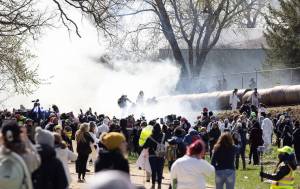
Once scenes of turmoil as immigration agents carried out aggressive sweeps under President Donald Trump’s immigration crackdown, the streets of Minneapolis have today settled back into a more familiar rhythm.
But everyone from Mayor Jacob Frey to teachers, doctors, lawyers, activists and immigrants who live and work in the city says the relative calm belies the lasting damage caused by Operation Metro Surge. Starting in December and running through February, about 3,000 immigration agents fanned out across the area. ICE said its immigration sweeps resulted in roughly 4,000 arrests.
“The full-throttle attack that we experienced with Operation Metro Surge was not limited just to ICE agents,” Frey said, estimating 400 federal immigration officers remain in the city, more than double the normal level. “We’re seeing other forms of attacks.”
Frey, a Democrat, ticked through them: kids with cancer who “can’t get treatment” because their families won’t leave their homes; Medicaid and Medicare transfers halted by the Trump administration; and federal grants that fund shelters and affordable housing slashed or made contingent on cooperating with immigration enforcement.
Over two dozen residents who spoke with Reuters described a city trying to recover. Some are struggling to pay their rent or buy food because they have lost their jobs or remain too fearful to leave their homes. Many described a collective feeling of trauma.
It is unclear how many arrests have been made in the month since border czar Tom Homan announced the drawdown of an operation that resulted in agents fatally shooting two American citizens, Renee Good and Alex Pretti.