Pfizer, Trump announce deal on prescription drug prices
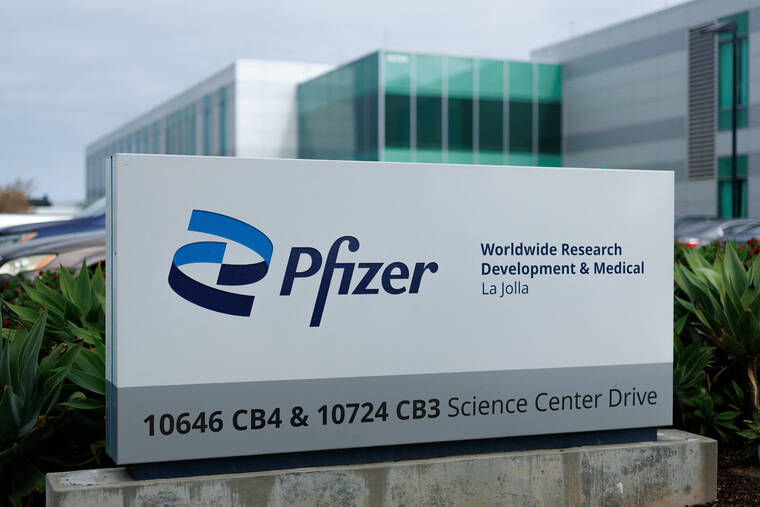
WASHINGTON — Pfizer and President Donald Trump on Tuesday said they had cut a deal in which the U.S.-based drugmaker agreed to lower prescription drug prices in the Medicaid program to what it charges in other developed countries in exchange for tariff relief.
Trump also said Pfizer would offer that most-favored-nation pricing on all new drugs launched in the U.S. and flagged that other drugmakers will follow suit.
ADVERTISING
Shares of Pfizer rose more than 6%, and the news lifted Eli Lilly, Merck, Amgen, AbbVie and GSK shares as well on investor relief that they would escape the worst of tariffs.
U.S. patients currently pay by far the most for prescription medicines, often nearly three times more than in other developed nations, and Trump has been pressuring drugmakers to lower their prices to what patients pay elsewhere.
Pfizer will be part of the White House’s new direct-to-consumer website for Americans to buy drugs, called TrumpRx, that will launch in 2026.
“The United States is done subsidizing the healthcare of the rest of the world,” Trump said, speaking at an event in the Oval Office accompanied by Pfizer CEO Albert Bourla, Health Secretary Robert F. Kennedy Jr. and others.
Several drugmakers have already set up direct-to-consumer pricing for some of their drugs, to be listed on a new website from the U.S. lobby group PhRMA, and raised the prices of their therapies in Britain in line with Trump’s desire to offset price decreases in the U.S.
On September 25, Trump announced he would impose a 100% tariff on imports of branded or patented pharmaceutical products from October 1, unless a drugmaker is building a manufacturing plant in the U.S.
Pfizer is the first drugmaker to announce a deal. Trump sent letters to 17 leading drug companies in July telling them to slash prices to match those paid overseas. He asked them to respond with binding commitments by September 29.
Sources at five large drugmakers told Reuters the Trump-Pfizer announcement caught their companies by surprise and that they watched the White House press conference to gauge its implications.
Pfizer will invest $70 billion in research and development and domestic manufacturing and received a three-year grace period during which its products will not be subject to the pharmaceutical-targeted tariffs, “as long as, of course, we move the products here,” Bourla said.
Pfizer said a large majority of its primary care treatments and some select specialty brands will be offered at savings that will range as high as 85% and on average 50%. According to a poster on display at the event, those will include rheumatoid arthritis drug Xeljanz, which carries a list price of over $6,000 a month, migraine treatment Zavzpret, dermatitis drug Eucrisa and post-menopausal osteoporosis medication Duavee.
Drugmakers’ shares rose because the price concessions are limited to Medicaid, said Daniel Barasa, portfolio manager at investment firm Gabelli Funds.
Barasa said the deal was “a highly favorable outcome for the industry. Given that Medicaid already benefits from substantial discounts and rebates — exceeding 80% in certain cases — the incremental impact on manufacturers is relatively minimal.”
New Medicaid prices are also set to launch in 2026, a senior administration official said on a media call. The most-favored-nation pricing is based on the lowest price paid in eight other wealthy countries after fees and rebates.