Fed lowers interest rates, signals more cuts ahead; Miran dissents
WASHINGTON — The Federal Reserve, goaded by the risk of rising unemployment, reduced interest rates on Wednesday for the first time since December and indicated more cuts would follow to halt any slide in a labor market already experiencing higher joblessness among Blacks, a declining workweek, and other signs of weakness.
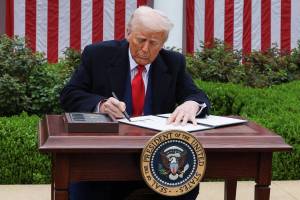
The decision moves in a direction called for by President Donald Trump, but falls far short of the steep cuts in borrowing costs that he has demanded – and which were apparently penciled into projections submitted by new Fed Governor Stephen Miran, who cast the only dissenting vote.
ADVERTISING
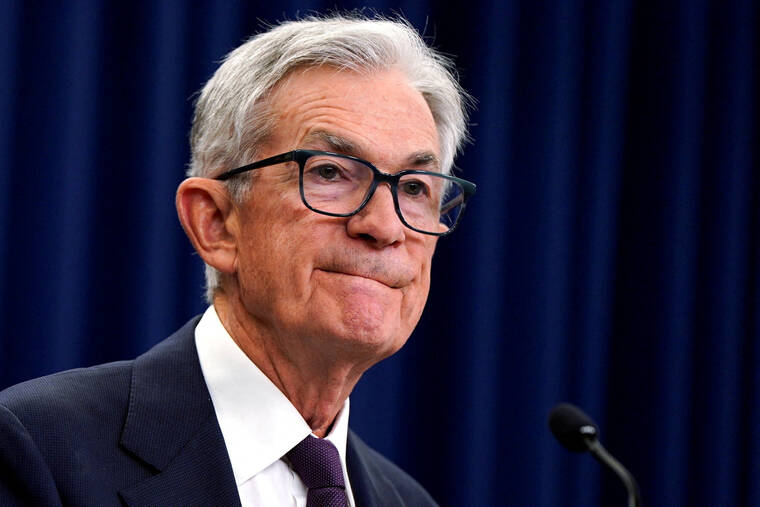
Fed Chair Jerome Powell, speaking in a press conference after the U.S. central bank lowered its benchmark interest rate by a quarter of a percentage point to the 4.00%-4.25% range and indicated more cuts would follow at meetings in October and December, said the softening job market was now top of the mind for him and his fellow policymakers.
“There are no risk-free paths … It’s not incredibly obvious what to do,” Powell told reporters at the end of a two-day policy meeting. “We have to keep our eye on inflation at the same time, we cannot ignore … maximum employment.”
Powell said he believes the recent pace of job creation is running below the break-even rate needed to hold the unemployment rate constant, and that with businesses doing very little hiring overall, any increase in layoffs could quickly feed into higher unemployment.
“You see minority unemployment going up. You see younger people … more susceptible to economic cycles … in addition to just overall lower payroll job creation that shows you that at the margin, the labor market is weakening. … We don’t need it to soften anymore,” he said.
Powell’s comments cap a steady shift in tone that began over the summer as Fed officials concluded that the higher import tariffs imposed by the Trump administration would not lead to persistent inflation, with faster price increases expected through the end of the year but price pressures also expected to fade after that time even as monetary policy becomes looser.
At the same time, signs of job market weakness began to accumulate, with payroll growth nearing stall speed.
The decision to cut rates came with no shortage of political drama, with Trump trying to fire Governor Lisa Cook in a so-far unsuccessful effort to open another seat on the Fed’s Board of Governors for him to fill, and appointing Miran, who is on leave from his job as head of the White House’s Council of Economic Advisers, to an open position that may only last until the end of January.
Miran was sworn in on Tuesday before the meeting started, and dissented against the policy decision in favor of a larger half-percentage-point rate cut. He also seems to have submitted a year-end rate projection implying he supports further half-percentage-point cuts in the meetings ahead, with the policy rate dropping below 3%. The interest rate “dots” are not associated with policymakers by name, but new projections showed one forecast far below the others that analysts promptly attributed to Miran.
Concerns that Trump’s interference with the Fed – through constant criticism over its rate policy, the appointment of a White House insider to the Fed board and the president’s effort to fire Cook – would yield signs of outsized political influence appear to have been overblown for now.
Two other Trump appointees to the central bank’s board – Fed Vice Chair of Supervision Michelle Bowman and Governor Christopher Waller – joined the wider consensus after dissenting just one meeting earlier.
Waller in particular has been arguing for greater focus on the job market since the summer, a concern that others on the Fed’s policy-setting committee have come to share as data indicated weaker hiring and which is now reflected in the policy statement.
“It’s deeply in our culture to do our work based on the incoming data and never consider anything else,” Powell said in response to questions about the Fed’s ability to maintain its independence in setting interest rates. “There wasn’t widespread support at all for a 50-basis-point cut today.”